
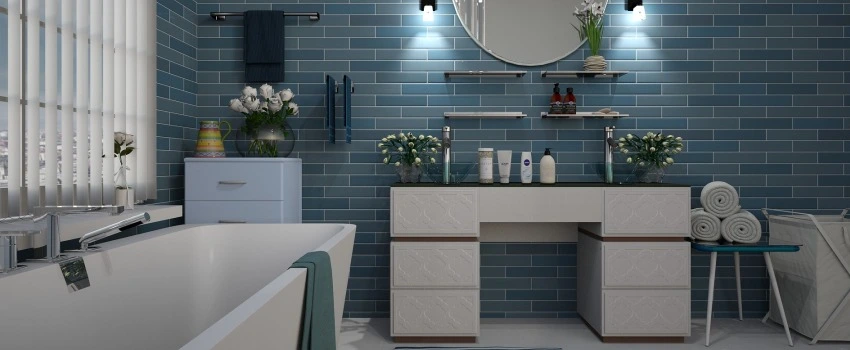
Choosing the Best Tile for Bathroom or Kitchen Remodeling
How to choose tile when remodeling is a common dilemma. What matters? What are my options? What are the best tile brands? This article will walk you through the process of choosing tile for remodeling.
Choosing the right tile for a bathroom or kitchen remodel means balancing cost with style, durability, and day‑to‑day practicality. Thinking about where the tile will go (walls, floors, backsplashes, fireplaces, etc.) matters. Let us guide you to which materials, textures, and brands might be your best options.
Define Style and Aesthetic Goals
Start by deciding the overall look you want: modern, traditional, farmhouse, spa‑like, or something eclectic. Your tile choices should support that mood, not fight it.
- For modern spaces, consider large‑format porcelain or ceramic tiles in neutral tones, concrete looks, or subtle stone patterns; these create clean lines and fewer grout joints.
- For classic or traditional rooms, subway tile, marble‑look patterns, and smaller mosaics work well, especially in whites, creams, and soft grays.
- For farmhouse or rustic styles, wood‑look porcelain, textured stone‑look tiles, and warm earthy colors can add character and warmth.
Think about how the tile relates to cabinets, countertops, fixtures, and paint. It’s usually best to let one surface be the star (for example, a bold patterned floor or backsplash) and keep the rest more subdued so the room doesn’t feel busy.
Choose the Right Tile Materials
Different materials behave differently in wet, high‑use areas, so match the material to the location and use.
- Ceramic: Great for walls and light‑to‑moderate traffic floors. It’s affordable, available in many colors and patterns, and relatively easy to cut. Glazed ceramic resists stains but is usually better for walls, backsplashes, and low‑wear floors.
- Porcelain: Denser and less absorbent than standard ceramic, excellent for bathroom and kitchen floors, shower walls, and even shower floors when textured. It often mimics stone, concrete, or wood with better durability and lower maintenance.
- Natural stone (marble, granite, slate, travertine): Provides a luxurious, organic look but needs regular sealing and more careful cleaning. Typically better for accent walls, feature floors, or higher‑budget projects where you’re prepared for extra maintenance.
- Glass: Ideal for backsplashes and accent areas, not for floors. It reflects light, brightens small spaces, and adds color or sparkle, but requires careful installation and can show smudges more easily.
- Mosaic blends: Small‑format mosaics mixing stone, glass, and ceramic are perfect for shower floors, niches, and accent bands, but they have more grout to maintain.
Prioritize Ease of Cleaning and Maintenance
Tile should look good on day one and still be manageable years later.
If low‑maintenance is a high priority, lean toward porcelain or glazed ceramic with a satin or matte finish and fewer grout joints.
Address Safety and Slip Resistance
Safety is critical, especially on bathroom floors and in showers where water and soap are present.
Always think about who will use the space—young children, older adults, or anyone with mobility challenges may benefit from more slip‑resistant surfaces in baths and kitchens.
Match Tile to the Right Areas
Different zones in a kitchen or bathroom have different demands; tile that’s perfect for a backsplash might be wrong for a shower floor.
Bathroom
- Floors: Use floor‑rated porcelain or ceramic with good slip resistance. Porcelain is often preferred in wet areas because it absorbs less water and offers excellent durability.
- Shower walls: Porcelain, ceramic, and some natural stone all work well; focus on water resistance and ease of cleaning. Larger tiles can minimize grout, but consider a size that fits the layout and any niches or benches.
- Shower floors: Choose smaller, floor‑rated tiles or mosaics with ample grout lines for traction. Porcelain mosaics that mimic stone or pebbled looks are popular and practical.
- Feature walls and accents: Glass, decorative ceramic, patterned porcelain, or stone mosaics can create focal points behind a vanity or on a shower feature wall.
Kitchen
- Floors: Durable, scratch‑resistant porcelain is typically the best choice, as it holds up to dropped pans, food spills, pets, and frequent cleaning. Natural stone is also an option if properly sealed and maintained.
- Backsplashes: Glazed ceramic, porcelain, or glass tiles are excellent because they resist splashes and are easy to wipe down. Here you can experiment with color, pattern, or texture since it’s a vertical, lower‑wear surface.
- Accent walls and islands: Decorative tiles, including patterned or textured designs, can highlight cooking zones, range hoods, or the back of an island without bearing heavy wear. Think of floors first in terms of durability and safety, and walls/backsplashes first in terms of aesthetic impact and ease of cleaning.
Tile Size, Layout, and Overall Cohesion
Size and layout have a big influence on how the space feels and how easy it is to maintain.
- Size: Large‑format tiles can make small bathrooms and kitchens feel more open, but they require very flat substrates and careful installation. Smaller sizes or mosaics work well on tight surfaces, shower floors, and curved or sloped areas.
- Pattern and layout: Straight lay, brick (running bond), herringbone, and stacked patterns all create different vibes. Simple layouts are easier to install and visually calm; more complex patterns add interest and can highlight feature areas.
- Cohesion: Use a limited palette—often one primary tile for most surfaces, one complementary tile, and possibly a third as an accent—to keep the room unified. Coordinate grout colors so they either blend for a seamless look or contrast deliberately for a bolder statement.
What Are Top Tile Brands?
Summary and Takeaways
By weighing style, cleaning and maintenance, slip resistance, and where each tile will be installed, you can choose materials and layouts that perform well and look good for years in both bathrooms and kitchens.
Before you start a remodel, Take time to explore your options. Learn about the pros and cons of design styles and materials. Remodeling can boost or degrade propert value and resale potential.
Taking on a remodel as a DIY endeavor is not as easy as TV shows make it look. There are a lot of potential risks, building codes to respect, and a healthy mix of skills. If you hire a remodeling company or tile contractor, be sure to have thorough conversations about your project. Define expectations, timelines, and costs.
Plan well, endure the process, and then enjoy your upgraded home!
Footnotes & Credits
- 1. ceramictilecenter.com
- 2. mastertilepro.com
- 3. reico.com
- 4. daltile.com
- 5. marthastewart.com
- 6. studio-mcgee.com
- 7. whytile.com
- 8. tilechoices.com
- 9. Saltkitchenandbath.com
- Image free for public use. Available at Pixabay