Water Saving Plumbing Fixtures
This article discusses water-saving fixtures installed as part of residential bathroom remodeling services. Water‑saving plumbing fixtures reduce consumption without sacrificing comfort and can significantly cut utility bills over time. The most important features to compare are flow or flush ratings, certifications, and how easily they can replace your existing fixtures.1,2,3
Water‑Saving Fixtures for Residential Bathrooms
High‑efficiency bathroom fixtures focus on toilets, showerheads, tub fillers, and sink faucets, where most bathroom water is used.1,3
Toilets
Modern high‑efficiency toilets (HETs) are rated by gallons per flush (GPF), with standard models using up to 1.6 GPF and many efficient units using 1.28 GPF or less. Dual‑flush toilets offer a full‑flush and reduced‑flush option and can use as little as about 0.5 GPF on the light‑flush setting, providing substantial savings over time. 1,3,4
- Types and styles: Gravity‑fed, pressure‑assist, and dual‑flush designs are common, available in elongated or round bowls and one‑piece or two‑piece styles to match different bathrooms. Sleeker, skirted‑trap and wall‑hung designs are popular in modern spaces and make cleaning around the base easier. 1,3,4
- Finishes: Most toilets are vitreous china in white or off‑white, but some lines offer black or gray to coordinate with contemporary bathrooms; the primary “finish” concern is the glazing quality for stain resistance. 1
- Efficiency ratings: WaterSense‑labeled toilets use at least 20 percent less water than 1.6 GPF models, typically at 1.28 GPF or lower, while maintaining tested performance standards. 1,3
- Costs: Efficient toilets span from budget models to premium designs; while high‑end toilets cost more up front, they can save thousands of gallons and notable dollars in water costs over their useful life. 3,4,5
- Warranty: Many reputable brands offer multi‑year or limited lifetime warranties on porcelain and internal components, reflecting expected long, reliable service. 3.5
- Ease of replacement: Replacing an existing floor‑mounted toilet with a new high‑efficiency model is usually a straightforward swap if the rough‑in distance matches, often manageable in one installation visit.3
Showerheads and Tub Faucets
Showers account for a major share of indoor water use, making efficient showerheads and tub fixtures critical in a water‑saving bathroom.3,6
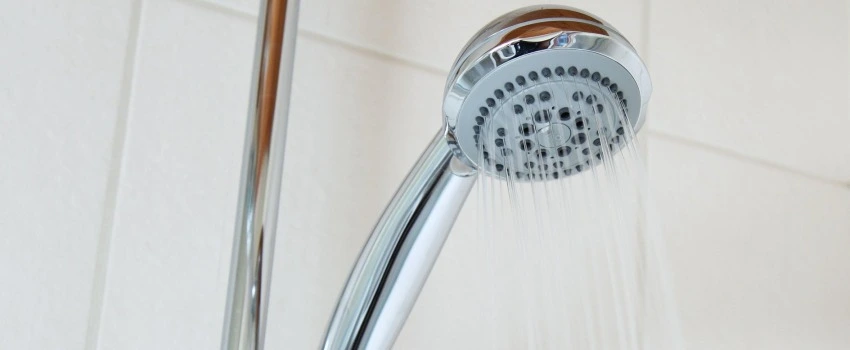
Showerhead types and styles: Fixed, handheld, rain, and combo showerheads now come in low‑flow “performance” designs that mix air with water or optimize spray patterns to feel full while using less water. Modern styles include slim, square, or round heads that work with both contemporary and traditional décor.1,6
- Finishes: Common finishes include chrome, brushed nickel, stainless, black, and brass, letting you coordinate with faucets and accessories while still choosing a low‑flow model.1,6
- Efficiency ratings: Federal standards limit showerheads to 2.5 gallons per minute (GPM), but WaterSense‑labeled models use 2.0 GPM or less, and many high‑efficiency heads operate around 1.5–1.8 GPM.1,3,7
- Costs: Low‑flow showerheads range from economical basic units to high‑end spa designs; even budget WaterSense models can deliver strong performance and quick payback via reduced water and hot‑water energy use.3,6
- Warranty: Quality showerheads and tub trims often carry multi‑year to limited lifetime finish and function warranties, especially from established brands.3,6
- Ease of installation: Replacing a showerhead or tub spout with a similar style is typically as simple as unscrewing the old piece and attaching the new one with thread sealant, making it one of the easiest water‑saving upgrades.3,6
Bathroom Sink Faucets
Bathroom sink use is frequent but usually short, so reducing flow without hurting usability is the goal.3,6,8
- Types and styles: Water‑efficient lavatory faucets include single‑handle, widespread, and wall‑mounted models, plus standard faucets upgraded with low‑flow aerators. Styles range from minimalist modern levers to more detailed traditional handles, so you can match almost any design while improving efficiency.2,8
- Finishes: Chrome, brushed nickel, stainless, matte black, and warm brass finishes are widely available on efficient models, including coordinated collections across the bathroom.1,8
- Efficiency ratings: WaterSense‑labeled bathroom faucets and accessories use a maximum of about 1.5 GPM, roughly 30 percent less than the standard 2.2 GPM flow, with emerging criteria pushing some models toward around 1.2 GPM.2,8
- Costs: Retrofitting existing faucets with efficient aerators is very inexpensive, while full faucet replacements range from entry‑level to designer pricing; both options usually pay back in ongoing water savings.7,8
- Warranty: Established faucet manufacturers frequently provide extended or lifetime warranties on the faucet body, cartridge, and finish for residential use.8
- Ease of installation: Swapping an aerator takes only minutes, and full faucets can often be replaced without altering plumbing if you choose the same configuration (single‑hole, centerset, or widespread) as the existing fixture.1,2
Water‑Saving Fixtures for Residential Kitchens
In kitchens, faucets and, to a lesser extent, auxiliary fixtures drive water use, so upgrading to efficient options can make a noticeable difference.5,7
Kitchen Sink Faucets
Kitchen faucets handle cooking, dishwashing, and cleaning tasks, so the challenge is to balance efficiency with strong, flexible water delivery. 7
- Types and styles: Common efficient kitchen faucet types include single‑handle pull‑down or pull‑out sprayers, high‑arc gooseneck designs, and side‑spray configurations. Touchless and metering styles can further reduce wasted water by running only when needed. Styles range from industrial‑inspired to farmhouse and traditional bridge faucets, so efficiency doesn’t limit visual options. 7,8
- Finishes: Stainless, brushed nickel, chrome, matte black, and mixed‑metal finishes are widely offered in efficient models to match modern kitchen trends.5,7
- Efficiency ratings: Many water‑saving kitchen faucets are designed to flow at about 1.5 GPM or less, compared with higher flows of older fixtures; this still provides strong rinsing performance, especially with efficient spray patterns. 7
- Costs: Efficient kitchen faucets generally fall in the mid to upper price range because of added features like pull‑down sprayers, ceramic cartridges, and sometimes touchless sensors, but they reduce both water and hot‑water energy use over time. 5,7
- Warranty: Kitchen faucets from reputable manufacturers typically come with long or lifetime warranties for residential use, particularly on cartridges and finishes. 5,8
- Ease of installation: Replacing an existing faucet with a new, efficient model is usually straightforward if the mounting pattern and hole count match your sink or countertop; many homeowners or plumbers can complete the upgrade in a single visit. 1,7
Tub and Auxiliary Fixtures on Secondary Sinks
Some homes include bar or prep sinks and, in rare layouts, a nearby tub or utility fixture that shares kitchen‑adjacent plumbing; these can also be optimized for water savings. 3,5,7
- Types and styles: Smaller bar or prep faucets and utility fittings can be fitted with low‑flow aerators or replaced with compact, efficient models that still provide adequate rinsing and filling performance. Designs often echo the main kitchen faucet style for a cohesive look. 7
- Finishes: These fixtures usually follow standard kitchen finishes, so choosing efficient versions makes coordination easy.7
- Efficiency ratings: Just like main faucets, secondary fixtures can be brought down to roughly 1.0–1.5 GPM using efficient aerators or WaterSense‑style designs, limiting waste from quick rinses or prep tasks. 2,7
- Costs and warranty: Because these fixtures are smaller and simpler, efficient replacements and aerators are relatively low‑cost but still commonly covered by multi‑year or lifetime warranties from major brands.7,8
- Ease of installation: Upgrading aerators or swapping a compact faucet on a bar or prep sink typically takes less time than a main kitchen faucet replacement and rarely requires plumbing changes when using similar mounting configurations. 1,2,3,7
By choosing properly rated, water‑efficient fixtures with suitable styles, finishes, and strong warranties, homeowners can upgrade both bathrooms and kitchens to save thousands of gallons of water over each fixture’s life while maintaining attractive, functional spaces.1,3,4
Summary and Takeaways
Footnotes & Credits
- 1. This Old House
- 2. EPA.gov
- 3. TheMVPKC.com
- 4. Map-Testing.com
- 5. Esub.com
- 6. PlumbRiteOmaha.com
- 7. Stanford.edu
- 8. ChicagoFaucets.com
- 9. AdvancedHeatAC
- Image by PublicDomainPictures and available on Pixabay